
5 Signs Your Pool Heater Needs Repair Before Summer in Phoenix
It’s true. Most Arizona pools don’t need heating in July (the sun handles that just fine).
But your spa or early-spring swims are another story. After working hard through the cooler winter days, your pool heater might be trying to tell you it needs some TLC. Spotting problems early keeps your system efficient, avoids mid-season breakdowns, and saves you from those “why is the water cold again?” moments.
Here are five common signs your pool heater needs repair before summer, plus a quick pre-season checklist from the technicians at Captain Pools.
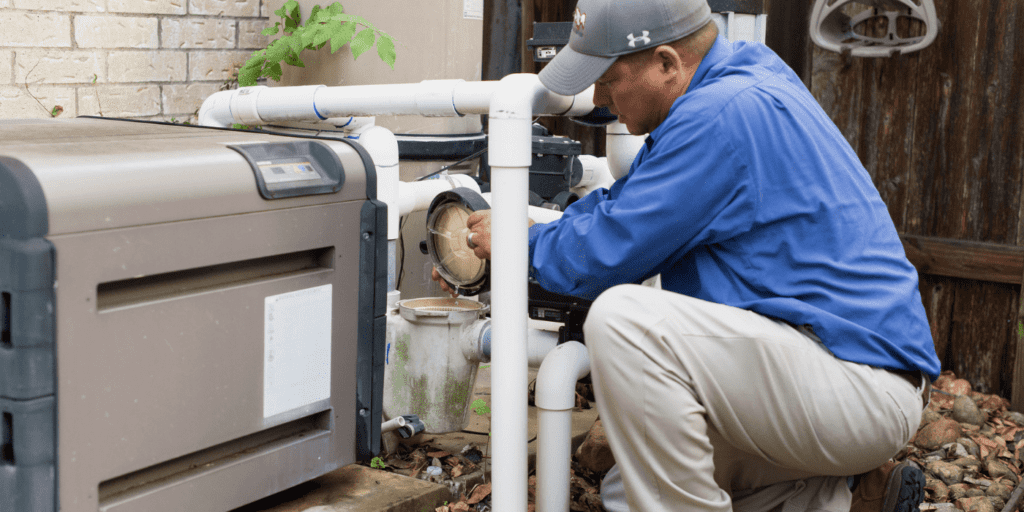
Our old heater used to take forever to warm up and doubled our gas bill. After Captain Pools repaired it, the water heats faster and now we’re saving every month."
1. Water Isn’t Heating Properly
If your pool or spa takes longer than usual to warm up or never reaches the temperature you’ve set it’s a clear sign of trouble.
The issue could be dirty filters, a failing temperature sensor, or burner problems that limit heating efficiency.
Learn more about full-service pool heater repair in Phoenix from Captain Pools.
2. Inconsistent or Fluctuating Temperatures
When your pool is warm one day and chilly the next, despite identical settings, you might have a thermostat or flow problem.
Fluctuating temps often trace back to sensor errors, bypass valve issues, or flow restrictions, all of which worsen during heavy summer use.
3. Strange Noises Coming from the Heater
Grinding, squealing, or banging noises when the heater starts up aren’t “normal wear.”
They often mean debris in the blower, a failing fan, or loose internal parts.
A pool heater should run smoothly and quietly. Call a tech before small rattles become full replacements.
4. Visible Leaks, Rust, or Corrosion
Rust stains, puddles, or damp spots around the heater usually indicate internal leaks.
Left unchecked, water can damage electronics and cause unsafe conditions.
Check the heat-exchanger unions and cabinet base for early signs of corrosion. A pro can usually repair these before a full swap-out is needed.
5. Rising Gas or Electric Bills Without Explanation
If your energy bills climb even though usage hasn’t changed, your heater could be running longer due to inefficiency.
Dirty burners, weak flow, or control faults make it work harder to maintain temperature. Fixing these early often costs less than one month of wasted utilities.
Quick Pre-Summer Pool Heater Checklist
Before the first real heat wave hits, run through this short pool heater tune-up checklist:
Water flow: Clean baskets and filters; confirm strong return flow.
Visual inspection: Look for corrosion, rodent debris, or blocked airflow.
Power and fuel: Verify gas valves or breakers are ON and labeled correctly.
Controls: Switch to “Pool” or “Spa” mode and test thermostat response.
Startup behavior: Listen for new noises or ignition issues.
Temperature test: Run 30–60 minutes, note starting vs. ending temp.
Safety: Keep combustibles clear; schedule professional inspection if due.
When to Call a Professional
Pool heaters combine gas, electricity, and water. Usually, this is not a combination for DIY repairs.
If you see repeated error codes (like Pentair E05 or Hayward CE) or notice poor heating despite proper flow, it’s time to call in certified help.
Captain Pools offers same-day pool heater repair in Phoenix backed by years of experience with Pentair, Hayward, Raypak, and Jandy systems.
Even in Arizona’s desert heat, your pool heater earns its keep during spring openings, spa nights, and shoulder-season swims.
A quick inspection now means you’ll be soaking, not shivering, when the weekend hits.
Ready for a preseason tune-up?
Schedule a pool heater repair or service with Captain Pools. The Valley’s most trusted local pros since 2008.
Pool Heater FAQ
Have more questions about your pool heater? You’re not alone. Here are a few of the most common ones we hear from Phoenix homeowners before the summer season kicks in.
How much does it cost to repair a pool heater?
Most heater repairs in the Phoenix area fall between $195 and $500, depending on the brand and parts involved.
Smaller fixes like sensors or switches are usually on the lower end, while larger components like control boards or heat exchangers can be higher.
It’s always cheaper to address issues early before they lead to full heater failure.
Does Captain Pools service all pool heater brands?
Yes! We’re certified for, Hayward, Pentair and experienced with most major heater brands such at Jandy, Raypak and Lochinvar commercial pool heater units.
Why is my pool heater leaking water?
If you see water pooling or dripping around your heater, it could be a damaged heat exchanger, corroded fittings, or condensation during startup.
Leaks should be checked right away to avoid internal damage or rust that can ruin the unit.
Our technicians can inspect the exchanger and plumbing to determine if repair or replacement makes more sense.
What does the Pentair E05 error mean?
The E05 error usually points to a water temperature sensor or low-flow issue. Check your filters and pump baskets for debris first.
If the message persists, the sensor itself may need replacing. It’s quite common in Arizona with our hard water and usually inexpensive. Our team can handle this quickly during a service visit.
Why does my Hayward pool heater show a CE error?
A CE error on a Hayward heater means the control panel and main board aren’t communicating properly, often due to moisture, corrosion, or power fluctuations. In most cases, a quick diagnosis and board cleaning (or replacement if damaged) gets things running smoothly again.
How long do pool heaters usually last in Arizona?
Most pool heaters in Arizona last around 7 to 12 years, depending on brand, water chemistry, and if it’s getting yearly preventative maintenance.
High mineral content in local water and heavy use can shorten their lifespan. Annual servicing, especially before summer, helps extend efficiency and delay major repairs or replacement.
Why does my pool heater keep shutting off?
If your heater turns on and then shuts off after a few minutes, it’s usually due to low water flow, dirty filters, or safety switches activating. Other common causes include blocked vents, faulty pressure sensors, or overheating from restricted circulation.
A technician can test these components and get your heater running consistently again before peak season.
Should I hire a professional or try to fix it myself
Pool heaters combine gas, water, and electricity. Not the safest mix for DIY work.
Our licensed pool heater specialists diagnose problems safely and can usually repair most issues the same day. It’s the best way to protect your system and warranty while keeping your pool or spa ready year-round.